
Lesley MacLean is Creative Director at LISI, where she helps law firms stand out in a crowded, competitive market. She has spent more than 25 years creating award-winning advertising and marketing design for a wide range of clients, and she joined LISI in 2020 to bring that experience to legal marketing. Lesley builds distinctive brands for firms and carries them consistently through all of their marketing materials, with design that is fresh, attractive, and highly functional. Learn more at www.legalisi.com.
What Your Law Firm Website Images Say About You Before Visitors Read a Word
Lesley MacLean • September 30, 2026
Before visitors read the first word on your website, an impression is being made. The copy may be great, but appearance matters. The visuals on your firm’s website can dramatically influence audience perception of personality, professionalism, trustworthiness, competence, and credibility almost instantly.
In many instances, visitors are looking for a reason to qualify—or disqualify—a firm as quickly as possible when reviewing your website. Similar to a candidate going to a job interview, you want to make a first impression that presents you in the most favorable light. Give your firm an advantage by providing a visual experience that combines the power of words and imagery to make a positive impact.
The First 5 Seconds
In the first 5 seconds, visitors are looking for reasons to give you the next 30, then 60, and so on. While your firm may be spending hours debating specific wording in an attorney bio or practice area description, neglecting imagery can place you at a serious disadvantage. Great copy alone is not enough to overcome a poor visual impression. Building interest and trust is a cumulative process driven by both words and images.
Choosing the Right Imagery
Imagery deserves strategic attention. Visuals should work as hard as the copy. Choose visuals that are not simply decoration, but support or help communicate your messaging.
Legal matters often include an emotional component. Words can describe how your firm understands the challenges clients face, but imagery can drive the point home. Making a human connection matters more than ever. Especially online.
Authenticity Matters
Stock photography is now inexpensive and widely available, making careful selection essential. Generic, overused images can make a firm look interchangeable with many others, weakening differentiation and potentially creating skepticism.
Avoid visual clichés such as:
- Handshakes
- Courthouse columns
- Scales of justice
- Smiling models pretending to be attorneys (and don’t forget that using actors without a disclaimer is a breach of professional conduct rules in some states).
In a profession built on trust, why choose imagery that immediately feels artificial?
People Hire Lawyers, Not Buildings
Many firms showcase offices, conference rooms, skylines, and architecture while providing very little insight into the people behind the firm. Clients are ultimately choosing individuals and relationships.
What Does Your Photography Say About Your Firm?
The style of photography throughout your website should be consistent and reflect quality. There should never be photos with poor lighting, bad angles, or low resolution. It shows a lack of attention to detail—not something you’d want associated with your firm.
Most law firms would never allow an inaccurate attorney bio or poorly written homepage headline to remain on their website. Yet many leave outdated, generic, inconsistent, or strategically weak imagery untouched for years. Avoid outdated or amateurish headshots. Instead, use professional photographs that make attorneys appear approachable, confident, and experienced.
The Rise of AI Imagery
In a profession where authenticity and credibility are paramount, what are the risks of using AI imagery instead of investing in real photography? While there are many examples of extremely realistic AI images, an important question to ask is whether or not visitors can recognize that an image was generated using AI. Does it increase efficiency at the expense of trust? Is it worth the risk when there are many sources of affordable and authentic images to choose from? Again, authenticity matters.
Technically Speaking—The Hidden SEO and Performance Impact
Even with the right imagery, it is important to connect visual strategy with website performance and SEO. Oversized or poorly optimized images can slow down a site, especially on mobile, creating a frustrating experience for visitors and potentially affecting search visibility.
Images can also help search engines better understand a page. Descriptive file names, useful alt text, and placing images near relevant content all provide helpful context. For example, jane-smith-employment-law-attorney.jpg is far more meaningful than IMG_4827.jpg. Alt text should first and foremost describe the image clearly for people using screen readers, while also giving search engines useful information about what the image represents.
The goal is not to obsess over technical details. It is to make sure your images look good, load quickly, support content, and are easy for both visitors and search engines to understand. Image optimization may happen behind the scenes, but its impact on user experience, accessibility, and SEO is very real.
The Big Picture
Your website should make people feel confident about your firm before they ever pick up the phone. That means the images need to do more than look polished. They should help visitors understand who you are, what it feels like to work with you, and why your firm is the right choice.
At LISI, we choose imagery with that bigger picture in mind. We think about how each visual supports your message, reflects your brand, builds trust, and guides visitors toward taking the next step. If your website looks generic, dated, or disconnected from the firm you are today, it may be costing you opportunities.
A thoughtful website can help turn more of the right visitors into conversations.

Advertisement

Advertisement

Advertisement


Contact William O. London Kimura London & White LLP 17631 Fitch Irvine, CA 92614 949-776-2874 www.klw-law.com

Contact Gomez Trial Attorneys 755 Front Street San Diego, CA 92101 TheGomezFirm.com

Contact CaseyGerry Francavilla Blatt LLP 110 Laurel Street San Diego, CA, 92101-1486 619-238-1811 www.CaseyGerry.com
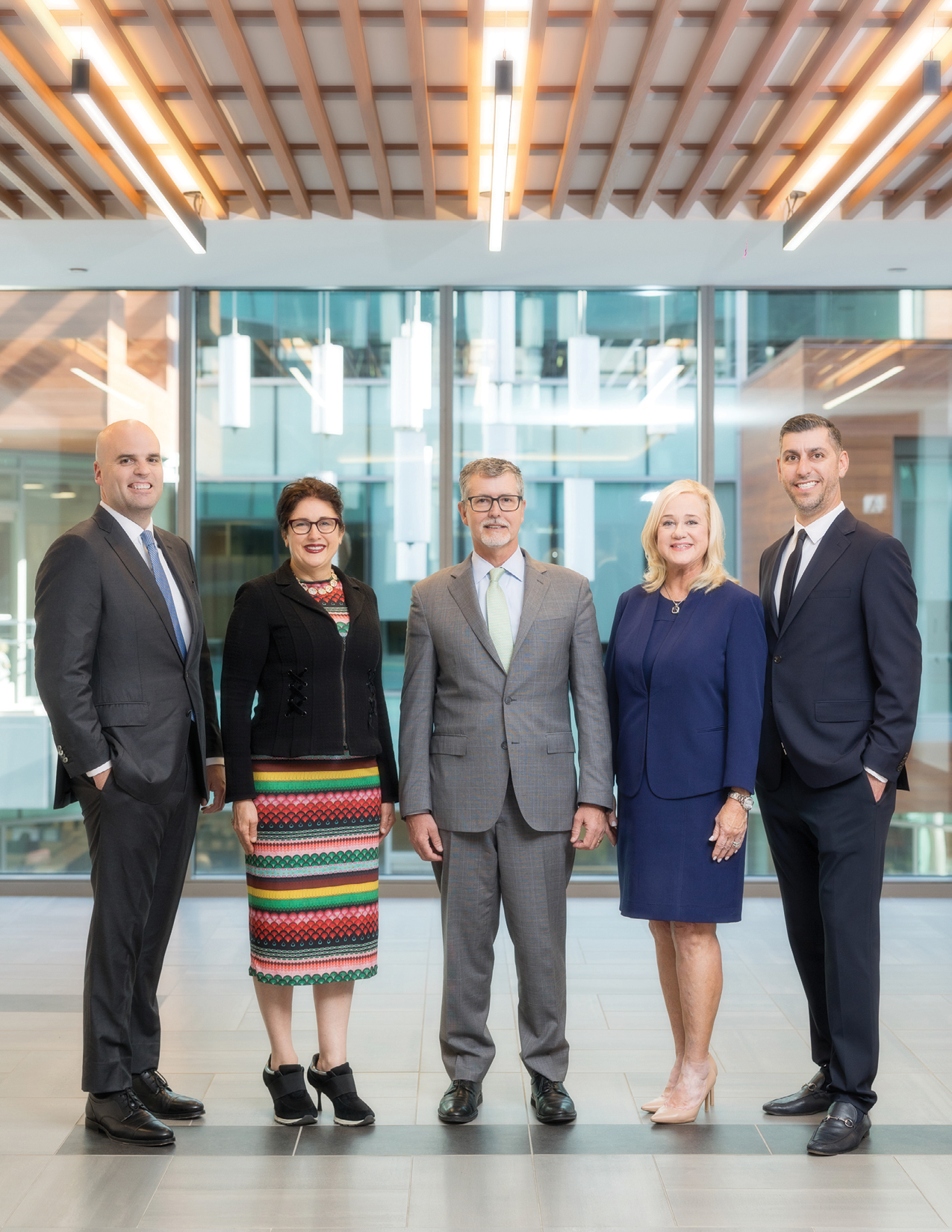
Contact Rosing Pott & Strohbehn LLP 770 1st Avenue, Suite 200 San Diego, CA 92101 619-990-3158 www.rosinglaw.com